When it comes to pigeon care, ensuring the health and well-being of your birds is of utmost importance. One of the most common issues faced by pigeon owners is bacterial infections, particularly those affecting the gastrointestinal tract. AMPICILLIN-T capsules provide an effective means of combating these infections, using a potent antibiotic from the penicillin family.
Understanding Bacterial Infections in Pigeons
Overview of Gastrointestinal Infections
Pigeons, like other birds, can suffer from bacterial infections in their gastrointestinal tract. These infections can lead to a variety of symptoms, including:
- Diarrhea
- Dehydration
- Weight loss
- Lethargy
In severe cases, untreated infections can result in serious health complications and even death. Recognizing the signs of infection early and administering appropriate treatment is crucial for maintaining a healthy flock.
Common Pathogens
Pigeons are vulnerable to several types of bacterial pathogens, including:
- Gram-Positive Bacteria: Such as Staphylococcus and Streptococcus species.
- Gram-Negative Bacteria: Particularly Salmonella species, which can lead to Salmonellosis, a serious condition that poses significant risks to pigeons.
What is AMPICILLIN-T?
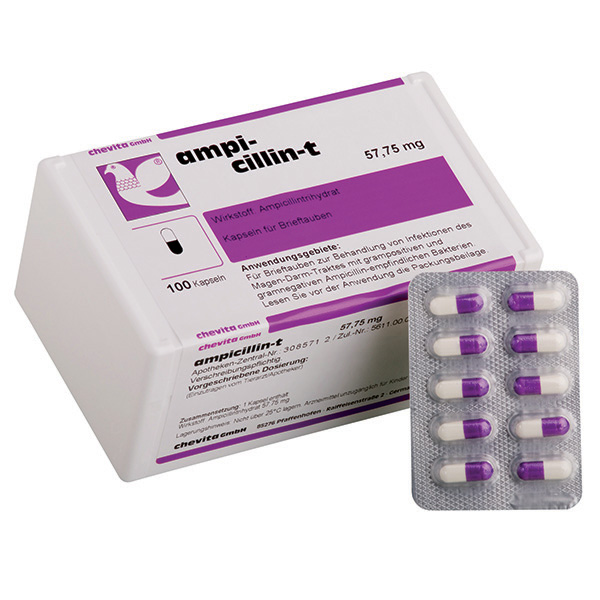
AMPICILLIN-T is a powerful antibiotic designed specifically for the treatment of bacterial infections affecting pigeons. Each capsule contains:
- Ampicillin 3H2O: 57.75 mg (equivalent to 50 mg of Ampicillin)
Key Features
- Broad-Spectrum Efficacy: Effective against both gram-positive and gram-negative bacteria.
- Versatile Administration: Available in both powder form for treatment via drinking water and capsule form for individual bird treatment.
- Well-Tolerated by Young Pigeons: Designed to be safe for young birds, making it an excellent choice for breeders.
Benefits of Using AMPICILLIN-T Capsules
1. Effective Treatment
AMPICILLIN-T is proven to be effective against common bacterial pathogens, making it a reliable choice for addressing gastrointestinal infections in pigeons.
2. Easy to Administer
Whether using the powder or capsule form, treatment can be easily integrated into a pigeon’s daily care routine, ensuring that even the most reluctant birds can receive their medication.
3. Safe for Young Birds
AMPICILLIN-T is especially well tolerated by young pigeons, providing peace of mind for breeders concerned about the health of their chicks.
4. Versatile Dosage Options
With different administration methods, pigeon owners can choose the best option for their flock size and specific treatment needs.
5. Preventive Use
Using AMPICILLIN-T can help manage and prevent outbreaks of bacterial infections in pigeons, promoting overall flock health.
Treatment Guidelines
To successfully treat bacterial infections in pigeons using AMPICILLIN-T, follow these dosage and administration recommendations:
General Bacterial Infections
- Duration: Administer for 5 days.
- Dosage:
- Powder Form: 1 sachet per 1 litre of drinking water (sufficient for 20 pigeons).
- Capsule Form: 1 capsule per pigeon per day.
- Yield:
- 12 sachets are sufficient for 12 litres of drinking water.
- 100 capsules are sufficient for 100 pigeons.
Salmonella Infections
- Duration: Administer for 10 days.
- Dosage:
- Powder Form: 2 sachets per 1 litre of drinking water (sufficient for 20 pigeons).
- Capsule Form: 2 capsules per pigeon per day.
- Yield:
- 12 sachets are sufficient for 6 litres of drinking water.
- 100 capsules are sufficient for 50 pigeons.
Important Notes
If no improvement is observed within 3 days of treatment, it is advisable to conduct an antibiogram to assess the sensitivity of the bacteria and consider changing the method of therapy if necessary.
Contraindications and Precautions
While AMPICILLIN-T is generally safe, certain conditions must be considered before use:
Contraindications
- Kidney Disorders: Avoid administering to pigeons with kidney function disorders, as the drug may exacerbate these issues.
- Penicillase Forming Germs: Do not use in the presence of bacteria that produce penicillinase, as this can reduce the efficacy of the treatment.
- Hypersensitivity: Avoid in pigeons known to be hypersensitive to ß-lactam antibiotics.