Maintaining the health of your pigeons and poultry is critical for their overall well-being and productivity. One of the most significant threats to their health is parasitic infections caused by various types of worms. Avimedical Meranox is a specialized dewormer specifically formulated to target roundworms and hairworms in birds.
What is Avimedical Meranox?
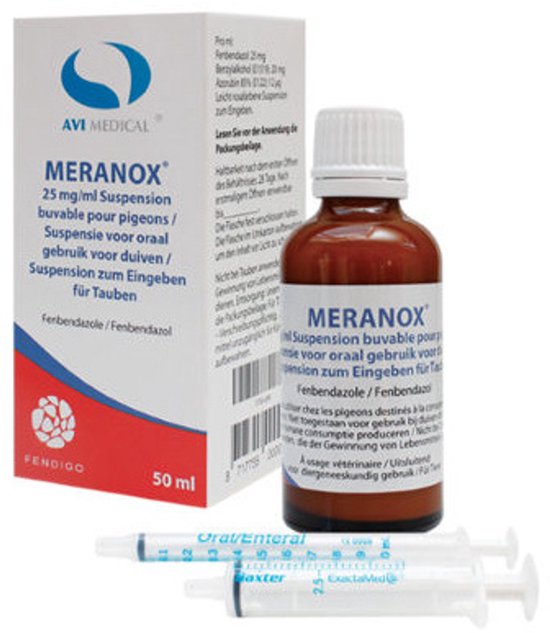
Avimedical Meranox is an oral suspension designed for deworming pigeons and poultry. Its active ingredient, Fenbendazole, works effectively against common parasitic infections in birds. By utilizing Meranox, bird owners can help ensure their flocks remain healthy and free from the burdens associated with worm infestations.
Composition
Each 50 ml bottle of Avimedical Meranox contains:
- Fenbendazole: 25 mg/ml This active ingredient is known for its efficacy in treating a range of intestinal parasites in birds and is widely used in veterinary practices for preventing and controlling worm infections.
Benefits of Using Avimedical Meranox
1. Effective Deworming Action
Meranox is specifically formulated to combat two of the most common types of intestinal worms in birds:
- Roundworms: Parasitic intestinal worms that can lead to significant health issues.
- Hairworms: These can also cause discomfort and other digestive complications.
2. Convenient Administration
Meranox can be administered orally, which makes it an easy solution for bird owners. Whether you use a crop needle or administer it directly into the mouth, the process can be straightforward.
3. Safe and Reliable
Fenbendazole, the active ingredient, has a long track record of safety and efficacy in treating intestinal parasites in a variety of animal species, including pigeons and poultry.
4. Simultaneous Treatment
All birds in the flock can be treated at the same time with Meranox, ensuring comprehensive deworming and minimizing the risk of reinfestation.
5. Prevention of Health Complications
Regular deworming with Meranox can prevent the health risks associated with worm infections, allowing birds to thrive and perform optimally.
Dosage and Administration Instructions
Recommended Dosage
The recommended dosage for Avimedical Meranox is based on the body weight of the bird. The standard dosage is as follows:
- Dosage: 25 mg/kg body weight per day (equivalent to 0.1 ml/100 g body weight).
- Administration Schedule: The dosage should be administered twice, with a 14-day interval between dosages.
Administration Guidelines
- Using a Crop Needle: Although it requires training, administering the suspension through a crop needle is the preferred method. This ensures accurate dosing and safe delivery directly into the crop.
- Oral Administration: If the use of a crop needle is not feasible, the product can be administered orally by placing the appropriate dosage into the bird’s mouth.
- Treating All Birds: Ensure that all birds in the flock receive the treatment simultaneously to maximize effectiveness and prevent reinfection.
Monitoring and Follow-Up
After administering Meranox, monitor your birds for any adverse reactions or improvements in their health. It is important to follow up with a veterinarian if there are signs of severe illness or if the symptoms persist.
Recognizing Symptoms of Worm Infections
Being able to identify the symptoms of worm infections is crucial for timely intervention. Common signs that your birds may be suffering from a worm infestation include:
- Lethargy: The affected animal may appear slow and often sit hunched over, lacking energy.
- Decreased Appetite: You may notice that your bird has little interest in food.
- Weight Loss: A noticeable decline in weight may occur due to parasites consuming nutrients.
- Diarrhea: In cases of severe infestation, you may observe slimy, thin feces as a result of irritation and infection in the gastrointestinal tract.
When to Deworm Your Birds
To maintain optimal health and prevent worm infestations, it is recommended to deworm your birds at specific intervals and under certain circumstances:
- Routine Deworming: Twice a year is recommended to keep your flock healthy and free from parasites.
- New Additions: If you import or purchase new birds, they should be dewormed before introducing them to your existing flock.
- Existing Infestations: If there is an known worm infestation, all birds should be treated promptly to resolve the issue.