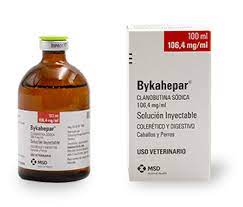
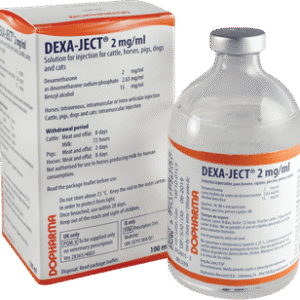
Osphos 51 mg/ml Injection 15ml is a veterinary medication that contains Clodronate Disodium as its active ingredient. Clodronate belongs to a class of drugs known as bisphosphonates. These compounds are powerful regulators of bone metabolism, specifically designed to inhibit bone resorption (the breakdown of bone tissue).
The “51 mg/ml” concentration indicates a potent formulation, allowing for an effective dose to be delivered in a manageable volume. The “15ml” presentation is typically a single-dose vial or syringe, intended for a specific treatment protocol, and is suitable for intramuscular administration.
How it Works: The Mechanism of Action (Bisphosphonate Action)
- Bone Affinity: Bisphosphonates have a strong affinity for bone mineral, particularly at sites of active bone remodeling or resorption. They bind to the hydroxyapatite crystals within the bone matrix.
- Osteoclast Inhibition: When osteoclasts begin their normal process of bone resorption, they internalize the bisphosphonate. Once inside the osteoclast, clodronate interferes with the cell’s metabolic functions, leading to reduced activity and ultimately inducing apoptosis (programmed cell death) of the osteoclast.
- Reduced Bone Resorption: By inhibiting and eliminating overactive osteoclasts, clodronate effectively slows down or halts excessive bone breakdown. This allows the bone-building cells (osteoblasts) to work more effectively, leading to increased bone density and improved bone quality in areas where excessive remodeling was occurring.
- Pain Relief: In conditions where excessive bone resorption contributes to pain (e.g., via increased pressure, microfractures, or inflammatory mediators released during bone breakdown), reducing this activity can lead to significant pain relief.
Key Clinical Indications in Horses
- Management of Navicular Syndrome (Podotrochleosis): This is the main approved indication for Osphos in horses. Navicular syndrome is a complex cause of chronic forelimb lameness involving degenerative changes in the navicular bone and associated soft tissues. Osphos helps by reducing the excessive bone remodeling often seen in this condition, thereby alleviating pain and improving lameness.
- Other Conditions Involving Excessive Bone Resorption: While its primary approval is for navicular syndrome, bisphosphonates are sometimes used off-label by veterinarians to address other conditions characterized by active or excessive bone resorption that contributes to lameness or pain, such as some forms of osteoarthritis or specific bone lesions.
Administration and Dosage
Osphos 51 mg/ml Injection is administered via intramuscular (IM) injection. The standard protocol typically involves dividing the total dose and injecting it into multiple sites (e.g., three separate injection sites) to minimize local tissue reaction and ensure proper absorption.
The specific dosage and frequency of administration (e.g., every 3-6 months) will be determined by a licensed veterinarian based on the horse’s weight, the severity of the condition, and the individual response to treatment. The 15ml volume is designed to contain the full therapeutic dose for an average-sized horse.
Safety, Precautions, and Contraindications
Bisphosphonates are potent drugs, and Osphos must be used with extreme caution and under strict veterinary supervision:
- Colic/Gastrointestinal Issues: The most commonly reported side effect in horses is transient signs of colic (abdominal pain), such as pawing, restlessness, or sweating, typically occurring within a few hours post-injection. This is usually mild and resolves spontaneously.
- Injection Site Reactions: Swelling or discomfort at the injection site can occur.
- Renal Function: Should not be used in horses with known or suspected kidney disease, as bisphosphonates are excreted by the kidneys. Adequate hydration is crucial.
- Pregnancy and Lactation: Contraindicated in pregnant or lactating mares, and mares intended for breeding. The effects on fetal development or transfer to milk are not fully understood, and given its impact on bone, it’s a significant concern.
- Young/Growing Horses: Contraindicated in horses less than 4 years of age or those whose physes (growth plates) have not yet closed. Bisphosphonates interfere with normal bone turnover, which is critical for healthy skeletal development.
- Other Medications: Use with caution when combined with other drugs that can affect renal function.
- Concurrent Lameness Evaluation: Thorough lameness diagnostics are essential before administering Osphos to ensure it is the appropriate treatment and to rule out conditions not amenable to bisphosphonate therapy (e.g., soft tissue injuries).