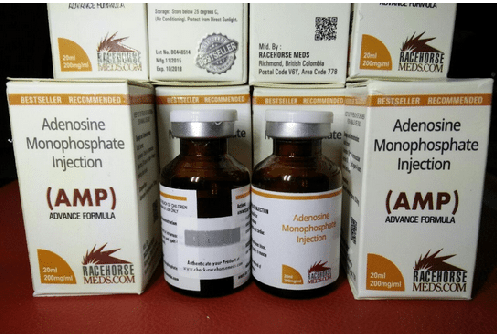
Adenosine Monophosphate (AMP) Injection is a veterinary injectable supportive treatment used in horses to assist normal metabolic function during periods of physiological stress, reduced appetite, debility, heavy work, transport stress, and recovery. AMP is a naturally occurring nucleotide present in all equine cells and is closely linked to the body’s energy-regulation system (ATP/ADP/AMP). In clinical practice, injectable AMP is typically used as an adjunct—meaning it complements (but does not replace) diagnosis-specific therapies such as treatment for pain, dehydration, gastric ulcer disease, infection, anemia, or inflammatory conditions.
How AMP works (mechanism with clinical relevance)
Inside equine tissues—especially skeletal muscle, liver, myocardium, and the nervous system—energy is managed through the adenine nucleotide pool:
- ATP (adenosine triphosphate): immediate energy source for muscle contraction and cellular work
- ADP: intermediate form after ATP use
- AMP: rises when energy demand is high and acts as an intracellular signal of energy status
Indications / Use-cases in horses (veterinary supportive treatment)
Veterinarians may consider AMP injection as part of a broader program in situations such as:
- Convalescence and general debility
- horses recovering from illness, surgery, or prolonged stress may benefit from supportive metabolic care alongside nutrition, hydration, and primary therapy.
- Reduced appetite (off feed) when oral supplements are unreliable
- injectable support can be useful when a horse is not consistently consuming feed/supplements; however, the cause of anorexia must be investigated (dental disease, ulcers, pain, systemic disease, parasites, etc.).
- Training load, transport stress, and competition schedules
- used as adjunct support during demanding periods where maintaining normal physiologic function and recovery capacity is a priority.
- Poor condition / “poor doer” support (after veterinary assessment)
- AMP may be used alongside ration balancing, forage evaluation, ulcer management, and targeted diagnostics.
Route of administration (injectable)
AMP injectable products for horses are typically administered parenterally by a veterinarian or trained personnel under veterinary direction. Depending on the labeled product, administration may be:
- Intravenous (IV) for rapid systemic delivery (requires professional technique and monitoring)
- Intramuscular (IM) where appropriate and per label
Dosinge
For injectable veterinary products, dosing should be taken from the specific brand label and the veterinarian’s plan. Rather than publishing speculative doses, a compliant product page can include:
- species: horse
- administration: injectable (IV/IM as per label)
- course: single or repeated dosing as directed
- monitoring: response, hydration, and concurrent therapy