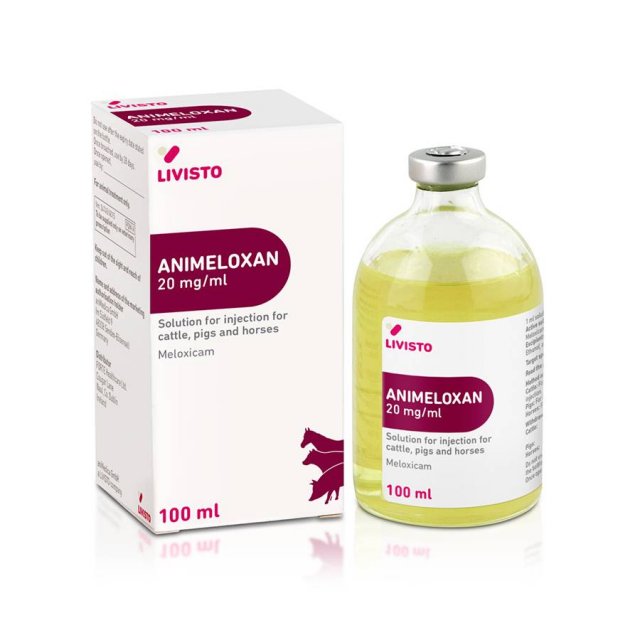
Animeloxan 20mg/ml Injection is a potent veterinary Non-Steroidal Anti-Inflammatory Drug (NSAID). The active ingredient in Animeloxan is Meloxicam, a widely respected compound known for its strong analgesic (pain-relieving), anti-inflammatory, and antipyretic (fever-reducing) properties. The “20mg/ml” concentration indicates a robust formulation specifically designed for large animals. This high concentration allows for smaller injection volumes, which minimizes tissue irritation and makes administration easier and less stressful for the animal.
How Does It Work? Mechanism of Action
Meloxicam belongs to the oxicam class of NSAIDs. It works by inhibiting the synthesis of prostaglandins, which are the chemical messengers in the body responsible for triggering inflammation, pain, and fever.
What makes Meloxicam particularly valuable is its preferential inhibition of the Cyclooxygenase-2 (COX-2) enzyme over the Cyclooxygenase-1 (COX-1) enzyme. While COX-2 is responsible for inflammation, COX-1 is necessary for maintaining healthy gastrointestinal and renal (kidney) functions. Because Animeloxan preferentially targets COX-2, it provides powerful anti-inflammatory relief while generally being gentler on the stomach and kidneys compared to older, non-selective NSAIDs.
Key Clinical Indications by Species
Veterinarians prescribe Animeloxan 20mg/ml Injection for a variety of acute and chronic conditions across different large animal species:
1. Cattle
In bovine medicine, Animeloxan is a cornerstone for treating several major health issues:
- Bovine Respiratory Disease (BRD): Used alongside appropriate antibiotic therapy, it reduces lung inflammation and fever, helping the animal breathe easier and return to eating sooner.
- Acute Mastitis: When administered with antibiotics, it helps reduce udder inflammation, systemic pain, and fever, aiding in a faster recovery of milk production.
- Calf Diarrhea (Scours): Used in combination with oral rehydration therapy to reduce gut inflammation and improve the calf’s overall demeanor.
2. Pigs (Swine)
For the swine industry, maintaining mobility and maternal health is critical:
- Non-Infectious Locomotor Disorders: It provides excellent pain relief for lameness and joint issues.
- MMA Syndrome (Mastitis-Metritis-Agalactia): In sows, it is used as an adjunctive therapy to reduce inflammation, alleviate pain, and encourage the resumption of nursing.
3. Horses
In equine practice, pain management is critical to prevent complications:
- Musculoskeletal Disorders: It is highly effective for alleviating the pain and inflammation associated with acute and chronic orthopedic issues, such as osteoarthritis or laminitis.
- Equine Colic: It is frequently used for the relief of pain associated with colic, providing smooth, long-lasting analgesia that helps stabilize the horse.
Administration and Best Practices
Animeloxan 20mg/ml Injection is typically administered via a single injection, making it highly convenient.
- Cattle and Pigs: Generally administered via subcutaneous (SC) or intramuscular (IM) injection, depending on the specific veterinary protocol.
- Horses: Usually administered via intravenous (IV) injection for rapid onset of action.
Because it is a concentrated medication, precise dosing based on the animal’s exact body weight is essential. It is typically designed as a single-dose therapy, providing relief for up to 24 to 72 hours depending on the species and condition.
Safety, Precautions, and Withdrawal Times
While Animeloxan has a favorable safety profile, it must be used responsibly:
- Contraindications: It should not be used in animals with impaired hepatic, cardiac, or renal function, or those with bleeding disorders or active gastrointestinal ulceration. It should also not be given to pregnant mares or animals under 6 weeks of age (unless specifically directed by a vet).
- Hydration: Ensure the animal is well-hydrated before administration to protect kidney function.
- Withdrawal Periods: For food-producing animals (cattle and pigs), strict withdrawal times for meat and milk must be observed to prevent drug residues from entering the human food chain. Always consult the specific product label and local veterinary regulations for the exact number of days required.