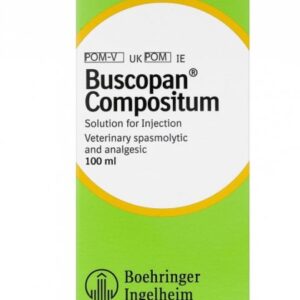
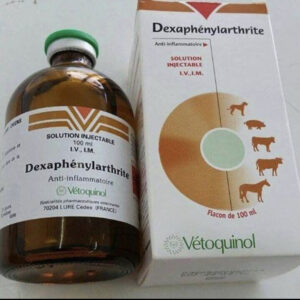
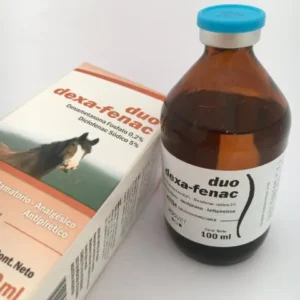
Ketodolor 100mg/ml Injection 100ml is a potent veterinary Non-Steroidal Anti-Inflammatory Drug (NSAID). Its active ingredient is Ketoprofen, a well-established and highly effective compound renowned for its strong analgesic (pain-relieving), anti-inflammatory, and antipyretic (fever-reducing) properties.
The “100mg/ml” concentration denotes a highly potent formulation. This elevated concentration, compared to lower-strength ketoprofen products, allows for significantly smaller injection volumes. This is a considerable advantage in large animal practices as it minimizes tissue irritation and stress during administration, making it a more convenient and humane option for both the animal and the handler. The “100ml” presentation indicates a multi-dose vial, making it an economical and practical choice for busy veterinary clinics and farms.
How it Works: The Mechanism of Action
Ketoprofen, the active component of Ketodolor, exerts its therapeutic effects by inhibiting the cyclooxygenase (COX) enzymes. These enzymes are pivotal in the biochemical pathway that leads to the synthesis of prostaglandins. Prostaglandins are key chemical mediators involved in:
- Inflammation: Prostaglandins cause vasodilation, increased vascular permeability, and recruit inflammatory cells, leading to swelling, heat, and redness.
- Pain: They sensitize nerve endings to painful stimuli, increasing pain perception.
- Fever: They act on the hypothalamus to elevate the body’s set point, leading to fever.
By blocking the COX enzymes, Ketodolor 100mg/ml Injection effectively reduces the production of these prostaglandins. This leads to:
- Potent Analgesia: Providing strong relief from pain, particularly effective for musculoskeletal and visceral pain.
- Strong Anti-inflammatory Action: Rapidly reducing the classic signs of inflammation.
- Effective Antipyresis: Swiftly lowering elevated body temperatures.
Ketoprofen is considered a non-selective COX inhibitor, meaning it inhibits both COX-1 and COX-2 enzymes. This broad action contributes to its powerful effects but also necessitates careful consideration of its potential side effect profile, similar to other non-selective NSAIDs.
Key Clinical Indications
Veterinarians widely employ Ketodolor 100mg/ml Injection for a diverse range of acute and chronic conditions across large animal species:
- Horses:
- Musculoskeletal Disorders: Highly effective for acute and chronic lameness, osteoarthritis, tendinitis, bursitis, and myositis. It’s often chosen for its efficacy in relieving pain associated with bone and joint conditions.
- Equine Colic: Provides effective relief from the visceral pain associated with various forms of colic, helping to stabilize the horse while the underlying cause is diagnosed and treated.
- Post-Operative Pain: To manage pain and inflammation following surgical procedures, contributing to a smoother recovery.
- Cattle:
- Bovine Respiratory Disease (BRD): Used as an adjunctive therapy with antibiotics to reduce fever, lung inflammation, and pain, significantly improving the animal’s comfort and encouraging feed intake.
- Acute Mastitis: Effectively alleviates systemic pain, reduces udder inflammation, and lowers fever when used alongside appropriate antibiotic treatment, helping to restore milk quality and production.
- Lameness: For pain and inflammation related to various foot and joint conditions (e.g., laminitis, sole abscesses, arthritis).
- Post-Calving Inflammation: To reduce inflammation and pain after difficult calvings.
- Swine:
- Porcine Respiratory Disease Complex: Used as an antipyretic and anti-inflammatory to improve animal comfort and appetite.
- Mastitis-Metritis-Agalactia (MMA) Syndrome: In sows, it helps alleviate pain and inflammation, supporting the sow’s recovery and fostering nursing behavior.
- Locomotor Disorders: For pain and inflammation associated with various lameness issues.
Administration and Dosage
Ketodolor 100mg/ml Injection is typically administered via deep intramuscular (IM) or intravenous (IV) injection, depending on the species, the specific condition being treated, and the desired speed of onset. For horses, IV administration often provides the fastest effect.
Precise dosing, calculated based on the animal’s exact body weight, the severity of the condition, and species-specific guidelines, is paramount. The high concentration of 100mg/ml means that a smaller volume is needed per dose, which is a practical advantage, especially for larger animals. It is often prescribed as a single dose or a short course of therapy.
Advantages of the 100mg/ml, 100ml Injectable Format
- High Concentration: Enables smaller injection volumes, leading to less discomfort for the animal and reduced risk of injection site reactions.
- Rapid Onset: Injectable format ensures quick absorption and action, critical for acute pain relief.
- Broad Spectrum Efficacy: Effectively targets pain, inflammation, and fever across various large animal species.
- Versatility: Useful for a wide array of conditions, from musculoskeletal issues to visceral pain.
- Economical & Practical: The 100ml multi-dose vial is cost-effective for practices treating many large animals.
Safety, Precautions, and Withdrawal Times
- Gastrointestinal Effects: Like other non-selective NSAIDs, it can cause gastrointestinal irritation, ulceration, or bleeding, especially with prolonged use, high doses, or in susceptible animals.
- Renal Toxicity: Can impair kidney function, particularly in dehydrated animals, those with pre-existing renal disease, or very young/old animals. Adequate hydration is critically important before and during treatment.
- Bleeding Disorders: It can inhibit platelet aggregation, potentially increasing bleeding times.
- Pregnancy and Lactation: Use in pregnant animals should be approached with extreme caution, as NSAIDs can impact fetal development or prolong gestation. Consult the product label for specific warnings regarding each species. Generally avoided in late pregnancy.
- Concomitant Use: Should not be used concurrently with other NSAIDs or corticosteroids due to a significantly increased risk of adverse effects.
- Contraindications: Animals with known hypersensitivity to NSAIDs, severe hepatic, cardiac, or renal dysfunction, hemorrhagic disorders, or active gastrointestinal ulceration.
- Withdrawal Periods: For food-producing animals (cattle, swine), strict adherence to established withdrawal times for meat and milk is legally and ethically imperative to prevent drug residues from entering the human food chain. Always consult the specific product label provided by the manufacturer and local regulatory guidelines.