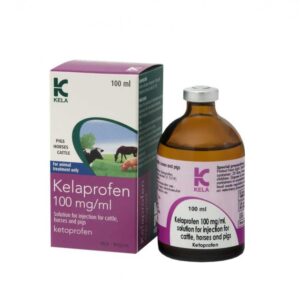
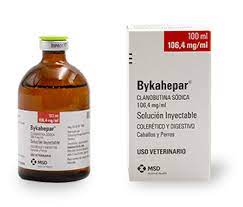
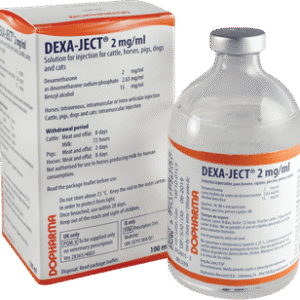
L-Carnitine 100ml Injection is a specialized metabolic supplement widely used in veterinary medicine, particularly for performance horses, racing greyhounds, and working dogs. It is often referred to as a “fat-to-energy” converter because of its critical role in cellular metabolism. Available typically in a 100ml multidose vial, this injection is a staple for trainers and veterinarians looking to optimize endurance and accelerate muscle recovery.
How L-Carnitine Works
L-Carnitine is a naturally occurring amino acid derivative that plays a vital role in energy production. Its primary function is the transport of long-chain fatty acids into the mitochondria (the “powerhouses” of the cells).
- Fatty Acid Oxidation: Inside the mitochondria, these fats are “burned” to create ATP (Adenosine Triphosphate), the energy that fuels muscle contraction.
- Energy Sourcing: By helping the body use fat as a fuel source more efficiently, it “spares” the limited supply of glycogen (sugar) stored in the muscles.
- Lactic Acid Reduction: L-Carnitine helps prevent the buildup of acetyl-CoA, which can lead to the production of lactic acid. Lower lactic acid levels mean less muscle soreness and delayed fatigue.
Primary Benefits for Performance Animals
1. Enhanced Endurance
Because L-Carnitine allows the animal to utilize fat stores for energy during prolonged exercise, the animal can maintain a high level of performance for longer periods before hitting “the wall” (glycogen depletion).
2. Faster Recovery
By reducing the accumulation of lactic acid and metabolic waste in the muscle tissues, L-Carnitine significantly shortens the time an animal needs to recover after a race, a heavy training session, or a day of work.
3. Heart Health
The heart is a muscle that relies heavily on fatty acids for energy. L-Carnitine supports cardiac output and helps maintain heart health in high-performance athletes under extreme cardiovascular stress.
4. Prevention of “Tying Up”
In horses, L-Carnitine is often used as a preventative measure for Exertional Rhabdomyolysis (Tying Up), as it helps maintain smooth muscle metabolism and prevents the metabolic “crashes” that lead to cramping.
Indications for Use
- Pre-Race/Pre-Event: To maximize energy availability and endurance.
- Post-Exertion: To speed up the repair of muscle fibers and clear toxins.
- Weight Management: In some cases, it is used to help overweight animals metabolize fat more effectively when combined with exercise.
- Support for Weakness: For animals recovering from chronic illness or those showing signs of exercise intolerance.
Administration and Dosage
- Route: Usually administered via Intravenous (IV) injection. Some formulations allow for Intramuscular (IM) use, though IV is preferred for rapid absorption before an event.
- Timing: For maximum effect in performance animals, it is often administered 2–3 times a week during heavy training and one “booster” dose roughly 4 to 6 hours before a race or competition.
- Standard Dosage (General Guide):
- Horses: 10ml – 20ml
- Dogs (Greyhounds): 1ml – 3ml (Always follow the specific instructions on the bottle or from your veterinarian, as concentrations can vary.)
Synergistic Combinations
L-Carnitine is frequently used in combination with other supplements to create a “Performance Cocktail”:
- With B-Vitamins (B12): To further boost metabolism and red blood cell production.
- With ATP/UTP: To provide both immediate chemical energy (ATP) and the fat-burning power of L-Carnitine.
- With Amino Acids: To provide the building blocks for muscle repair alongside energy production.
Safety and Considerations
- Side Effects: L-Carnitine is generally very safe because it is a substance naturally produced by the body. Side effects are rare but can include mild GI upset if given in extreme excess.
- Storage: Keep the 100ml vial in a cool place (below 25°C) and protect it from direct sunlight. Ensure the rubber stopper is cleaned with alcohol before each use to maintain sterility.
- Doping Regulations: In most racing jurisdictions, L-Carnitine is considered a natural nutritional supplement and is not a prohibited substance. However, the act of injecting close to a race (e.g., within 24 hours) may be restricted. Always check local racing rules.