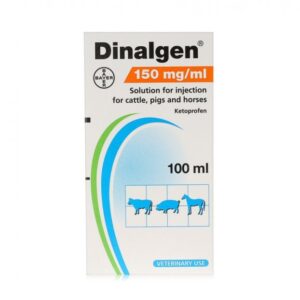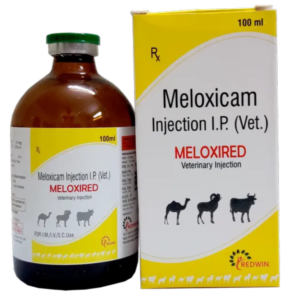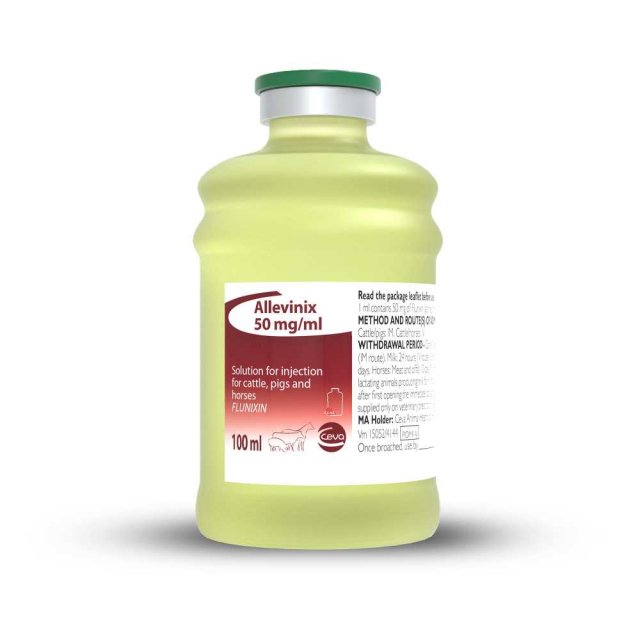
Allevinix 50mg/ml Injection is an injectable veterinary pharmaceutical, most commonly belonging to the class of Non-Steroidal Anti-Inflammatory Drugs (NSAIDs). While the specific active ingredient can vary between different manufacturers or formulations (always refer to the product label for precise details), common NSAIDs used at this concentration for large animals include flunixin meglumine, ketoprofen, or similar compounds. These agents are renowned for their powerful anti-inflammatory, analgesic (pain-relieving), and antipyretic (fever-reducing) properties.
How it Works: The Mechanism of Action
The primary mechanism of action for NSAIDs like those likely found in Allevinix involves the inhibition of cyclooxygenase (COX) enzymes. COX enzymes are responsible for catalyzing the production of prostaglandins from arachidonic acid. Prostaglandins are potent lipid compounds that play a central role in initiating and perpetuating inflammation, sensitizing nerve endings to pain, and mediating fever responses in the body.
By blocking the COX enzymes, Allevinix 50mg/ml Injection effectively reduces the synthesis of these prostaglandins, leading to:
- Anti-Inflammatory Effect: Decreasing swelling, redness, and heat at the site of inflammation or injury.
- Analgesic Effect: Reducing pain perception by diminishing prostaglandin-induced sensitization of pain receptors.
- Antipyretic Effect: Lowering body temperature in febrile animals by normalizing the body’s thermoregulatory set point.
Key Clinical Indications
- Equine:
- Musculoskeletal Disorders: Highly effective for acute and chronic lameness, osteoarthritis, tendinitis, bursitis, and muscle soreness.
- Equine Colic: Provides significant pain relief for visceral pain associated with various forms of colic, aiding in stabilizing the animal.
- Post-Operative Pain: Used to manage pain and inflammation following surgical procedures.
- Cattle:
- Bovine Respiratory Disease (BRD): Administered as an adjunctive therapy with antibiotics to reduce fever and inflammation of the lungs, improving the animal’s comfort and encouraging feed intake.
- Acute Mastitis: Helps alleviate udder inflammation, systemic pain, and fever when used alongside appropriate antibiotic treatment.
- Endotoxemia: Can be crucial in managing the systemic inflammatory response in severe cases.
- Lameness: For pain and inflammation related to various foot and joint conditions.
- Swine:
- Non-Infectious Locomotor Disorders: Effective in reducing pain and inflammation associated with lameness.
- Post-Farrowing Support: Used in cases of Mastitis-Metritis-Agalactia (MMA) syndrome in sows to alleviate pain and inflammation, supporting the sow’s recovery and fostering nursing behavior.
Administration and Dosage
Allevinix 50mg/ml Injection is intended for parenteral administration, typically via intravenous (IV) or intramuscular (IM) routes, depending on the specific product guidelines and the animal species. Precise dosing, calculated based on the animal’s exact body weight, the severity of the condition, and the specific active ingredient, is critical for optimal efficacy and safety. Given its potent concentration, smaller volumes are required, which can make administration more convenient and less stressful for the animal.
Safety, Precautions, and Withdrawal Times
As with all potent NSAIDs, Allevinix 50mg/ml Injection must be used under strict veterinary supervision, with careful attention to potential risks and precautions:
- Gastrointestinal Effects: NSAIDs can cause irritation, erosion, or ulceration of the gastrointestinal tract, especially with prolonged use or in susceptible animals.
- Renal Toxicity: NSAIDs can impair kidney function, particularly in dehydrated animals, those with pre-existing renal disease, or very young/old animals. Adequate hydration is paramount.
- Bleeding Disorders: They can interfere with platelet aggregation, potentially increasing bleeding times.
- Pregnancy and Lactation: Use in pregnant or lactating animals should be approached with extreme caution, as NSAIDs can impact fetal development or milk production. Always consult the product label for specific warnings.
- Concomitant Use: Should not be used concurrently with other NSAIDs or corticosteroids due to a significantly increased risk of adverse effects.
- Withdrawal Periods: For food-producing animals, strict adherence to established withdrawal times for meat and milk is legally and ethically imperative to prevent drug residues from entering the human food chain. Always consult the specific product label provided by the manufacturer and local regulatory guidelines.