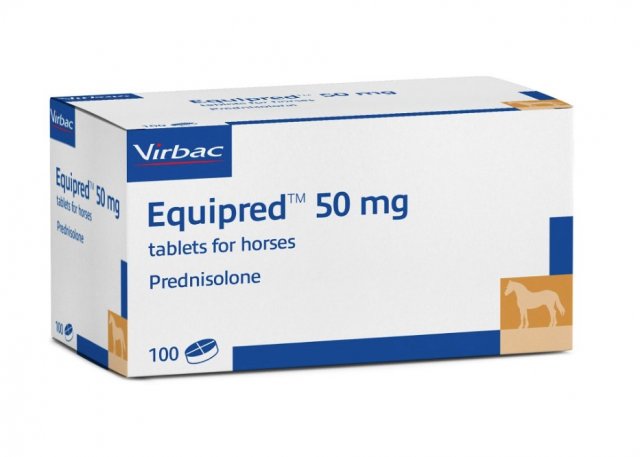
Equipred 50mg Tablets 100 pack is an oral veterinary medication containing a corticosteroid, most commonly Prednisolone (or its precursor, Prednisone, which is metabolized to prednisolone in the liver). Corticosteroids are a class of steroid hormones widely used for their profound anti-inflammatory and immunosuppressive effects.
The “50mg” dosage per tablet is a common strength designed for equine use, allowing for flexible dosing based on the horse’s weight and the severity of the condition. The “100 pack” indicates a bulk quantity of tablets, offering a practical and economical solution for horse owners or stables that require ongoing treatment or manage multiple horses.
How it Works: The Mechanism of Action
Prednisolone, the active component of Equipred, is a synthetic glucocorticoid. Its therapeutic effects stem from its ability to interact with specific receptors within cells, leading to a cascade of physiological changes:
- Potent Anti-inflammatory Effect: Prednisolone stabilizes cell membranes, inhibits the release of inflammatory mediators (like prostaglandins and leukotrienes) by blocking phospholipase A2, and reduces the migration of inflammatory cells to the site of inflammation. This results in a significant reduction in swelling, redness, heat, and pain.
- Immunosuppressive Effect: By suppressing various aspects of the immune system, prednisolone is effective in managing autoimmune diseases and severe allergic reactions. It reduces the production of antibodies and inhibits the activity of lymphocytes, crucial cells in immune responses.
- Anti-allergic Effect: Through its anti-inflammatory and immunosuppressive actions, it quickly resolves symptoms of allergic reactions, such as hives, itching, and airway constriction.
- Metabolic Effects: As a glucocorticoid, it also influences carbohydrate, protein, and fat metabolism. It can increase blood glucose levels and promote protein catabolism.
Key Clinical Indications in Horses
Equipred 50mg Tablets 100 pack is utilized in equine veterinary medicine for a range of conditions where its powerful anti-inflammatory and immunosuppressive properties are beneficial:
- Allergic Reactions: For the treatment of severe allergic skin conditions (e.g., pruritus, urticaria/hives, allergic dermatitis), allergic respiratory conditions (e.g., heaves/Recurrent Airway Obstruction – RAO), and insect bite hypersensitivity.
- Musculoskeletal Inflammation: For the management of acute and chronic inflammatory conditions such as severe arthritis (especially inflammatory arthropathies), bursitis, tendinitis, and myositis, where rapid reduction of inflammation is necessary.
- Autoimmune Diseases: As an immunosuppressant for conditions where the immune system attacks the body’s own tissues (e.g., certain types of anemia or skin diseases).
- Central Nervous System Inflammation: In cases of severe brain or spinal cord inflammation (e.g., following trauma or certain infections) to reduce swelling and pressure.
- Shock: As supportive therapy in cases of severe shock to stabilize cell membranes and reduce systemic inflammation.
Administration and Dosage
Equipred 50mg Tablets are intended for oral administration. The dose will vary significantly depending on the horse’s weight, the specific condition being treated, the severity of the symptoms, and the desired effect (anti-inflammatory vs. immunosuppressive).
Typically, veterinarians start with an initial higher dose and then gradually “taper” the dose down over several days or weeks to the lowest effective maintenance dose. Tapering is crucial to allow the horse’s adrenal glands to resume normal cortisol production and prevent complications associated with sudden withdrawal. The 100-pack size facilitates this tapering process and allows for extended treatment courses when necessary.
Advantages of the 50mg x 100 Pack Format
- Convenience: The 50mg tablet strength is convenient for accurate dosing across a range of horse weights.
- Economy: A 100-pack offers a cost-effective bulk supply, which is beneficial for managing chronic conditions or treating multiple animals.
- Flexibility: Allows for easy adjustment of dosages (e.g., breaking tablets for smaller doses or for tapering protocols).
- Stability: Tablets are generally more stable than liquid formulations over time.
Safety, Precautions, and Contraindications
Corticosteroids are powerful drugs with significant potential side effects, especially with long-term use or at high doses. Equipred 50mg Tablets must be used under strict veterinary supervision:
- Laminitis: This is one of the most serious and feared side effects in horses. Corticosteroids can induce or exacerbate laminitis, particularly in predisposed individuals or those with underlying metabolic issues (e.g., Equine Metabolic Syndrome, PPID/Cushing’s).
- Immunosuppression: Long-term use can suppress the immune system, making the horse more susceptible to infections. Concurrent infections (bacterial, viral, fungal) should be carefully considered.
- Gastrointestinal Ulceration: Corticosteroids can increase the risk of gastric ulcers.
- Metabolic Effects: Can cause increased thirst (polydipsia), increased urination (polyuria), weight gain, and changes in glucose metabolism (leading to insulin resistance or even hyperglycemia).
- Adrenal Suppression: Prolonged use suppresses the horse’s natural cortisol production. Abrupt cessation can lead to an adrenal crisis. Hence, gradual tapering is essential.
- Wound Healing: Can delay wound healing.
- Pregnancy: Generally contraindicated in pregnant mares due to potential adverse effects on fetal development and the risk of inducing premature labor.
- Contraindications: Should not be used in horses with active infections (without concurrent antimicrobial therapy), diabetes mellitus, or conditions where immunosuppression is undesirable.